Discover the top skin problems American women ages 25–55 face and learn natural, organic solutions that truly work. Clear acne, dark spots, aging, and more naturally.

Understanding Post-Inflammatory Hyperpigmentation (PIH): Causes, Treatments, and Tips
Hiraya Organics
11/8/202510 min read
Understanding Post-Inflammatory Hyperpigmentation (PIH): Causes, Treatments, and Tips
Post-inflammatory hyperpigmentation (dark spots) often appears after acne, eczema or injury. Learn the science behind PIH, common triggers, and dermatologist-recommended treatments (topicals, peels, lasers) plus sun-safe lifestyle tips to fade stubborn marksncbi.nlm.nih.govpmc.ncbi.nlm.nih.gov.
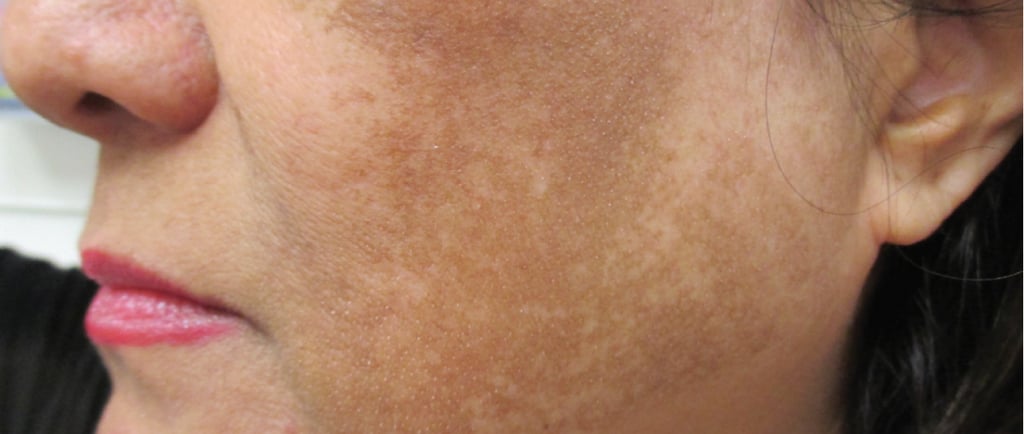
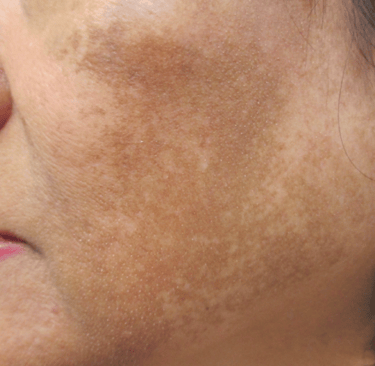
Have you ever noticed stubborn brown or gray spots lingering on your skin long after a pimple or rash has healed? These “dark spots” are known as post-inflammatory hyperpigmentation (PIH) – patches of excess melanin (pigment) deposited in the skin after inflammation or injury. PIH is especially common and stubborn in people with darker skin tones, because their melanocytes (pigment cells) produce more melanin after inflammationncbi.nlm.nih.gov. In simple terms, any skin irritation – from acne, eczema, cuts or burns – can trigger extra pigment production, leaving a flat brown, tan or even blue-gray mark where the skin was injuredncbi.nlm.nih.govpmc.ncbi.nlm.nih.gov. This article dives deep into what causes PIH and evidence-based ways to treat and prevent it, with practical tips for all skin types.
What Is PIH? (The Science of Dark Spots)
Post-inflammatory hyperpigmentation is not a scar – it’s an overproduction of melanin pigment in the skin after inflammation. Normally, melanocytes make melanin to give skin color. But when your skin is inflamed (from a pimple, rash, burn, etc.), it releases signals (inflammatory mediators) that tell melanocytes to ramp up melanin production and dump extra pigment into surrounding skin cellspmc.ncbi.nlm.nih.gov. The result is a flat patch of skin that looks darker. If the pigment sits in the top (epidermal) layer of skin, it appears tan or brown and may slowly fade over months or yearspmc.ncbi.nlm.nih.gov. If pigment reaches the deeper (dermal) layer, the spot can look bluish-gray and be much harder to removepmc.ncbi.nlm.nih.gov.
Importantly, PIH can affect anyone, but it is much more common and severe in darker skin (Fitzpatrick types IV–VI)ncbi.nlm.nih.govpmc.ncbi.nlm.nih.gov. The high baseline melanin in brown or black skin means that inflammation more easily leads to visible dark spots. This is why PIH is a leading cosmetic concern among people of colorncbi.nlm.nih.gov. Understanding this helps explain why certain treatments (like strong peels or lasers) must be chosen carefully – aggressive therapies can worsen pigmentation if they cause more inflammationncbi.nlm.nih.govncbi.nlm.nih.gov.
Common Triggers of PIH
PIH develops wherever the skin has been irritated or injured. Common culprits include:
Acne: This is the most frequent trigger. Inflamed pimples (even minor ones) send pigment-producing signals to the skin. In one study, over 65% of Black patients with acne developed PIH, and even many with mild acne get post-acne dark spotspmc.ncbi.nlm.nih.gov.
Eczema & Rashes: Atopic dermatitis, contact dermatitis (like poison ivy or irritants), psoriasis and similar conditions can leave PIH once the rash subsidesncbi.nlm.nih.gov. Itching and scratching only make it worse.
Shaving & Ingrown Hairs: Pseudofolliculitis barbae (razor bumps) – common in people with coarse beard hair – often causes chronic inflammation and PIH. Up to 80% of those with this condition report facial hyperpigmentationpmc.ncbi.nlm.nih.gov.
Cuts, Burns, or Injuries: Any trauma (e.g. cuts, burns, insect bites, tattooing) can trigger PIH during healingncbi.nlm.nih.gov. Even minor surgical or cosmetic procedures (like dermabrasion or chemical peels) may cause it if the inflammation isn’t well-controlledncbi.nlm.nih.gov.
Other Inflammatory Skin Conditions: Infections (impetigo, shingles), autoimmune diseases (like lupus), and even severe sunburns fall under the PIH umbrella when they inflame skinncbi.nlm.nih.gov.
Hormonal Changes and Medications: Though less common, hormonal events (pregnancy, birth control) or some medications can induce skin inflammation and pigment changes.
In short, any episode of skin inflammation or irritation can leave a dark spot behindncbi.nlm.nih.gov. Recognizing these triggers is the first step: avoid unnecessary irritation (e.g. picking pimples or scrubbing too hard) to prevent new PIH.
Treating PIH with Topical Products
Once PIH spots appear, a combination approach often works best. Topical (creams and serums) treatments aim to slow melanin production and speed skin turnover, gently fading the spots over time. Key evidence-based topicals include:
Hydroquinone (HQ): Often called the gold-standard lightening agent. Hydroquinone is a tyrosinase inhibitor that blocks melanin formationpmc.ncbi.nlm.nih.gov. At 2–4% concentrations it can significantly lighten PIH when used daily (usually under dermatologist supervision). It is typically used only for limited periods (to avoid irritation or the rare side effect of ochronosis)pmc.ncbi.nlm.nih.govpmc.ncbi.nlm.nih.gov. Many dermatologists start PIH treatment with 2–4% HQ plus sunscreenpmc.ncbi.nlm.nih.gov, then switch to gentler agents if needed. Tip: HQ works best on epidermal (surface) pigment, and its effect can be enhanced by combining it with retinoids or acidspmc.ncbi.nlm.nih.gov.
Topical Retinoids (Vitamin A derivatives): These include tretinoin, adapalene, and tazarotene. Retinoids help in multiple ways: they unclog pores (treating acne), reduce inflammation, increase skin cell turnover, and prevent transfer of melanin to new skin cellspmc.ncbi.nlm.nih.gov. Clinical studies confirm that retinoids not only improve acne but also fade PIH in all skin typespmc.ncbi.nlm.nih.govpmc.ncbi.nlm.nih.gov. For example, 0.05–0.1% tretinoin or OTC 0.1% adapalene gel used nightly can gradually lighten dark spots. They may initially cause mild redness or peeling, so start slowly (e.g. every other night) and use a gentle moisturizer to reduce irritation. Retinoids are usually first-line for acne with PIH, as they target both issues simultaneouslypmc.ncbi.nlm.nih.govpmc.ncbi.nlm.nih.gov.
Vitamin C (Ascorbic Acid): A potent antioxidant that also inhibits melanin synthesis. Vitamin C serums (typically 10–20% L-ascorbic acid) are popular for brightening skin. Small clinical trials (and dermatologists) report that daily Vitamin C can fade dark spots by blocking pigment production, with few side effectshealth.harvard.edu. It also boosts photoprotection: when used with sunscreen, Vitamin C further reduces UV-induced pigment formationhealth.harvard.edu. A Harvard Health study notes that “the majority of participants applying topical vitamin C had improvement in their dark spots”health.harvard.edu. In practice, look for a stable, high-quality Vitamin C serum and apply it in the AM (under sunscreen) to get these benefits.
Image: Applying a vitamin C serum daily can help fade PIH by inhibiting excess pigment formationhealth.harvard.edu.
Azelaic Acid: A dicarboxylic acid with anti-inflammatory and tyrosinase-inhibiting effects. Azelaic acid (15–20%) is FDA-approved for acne but is also effective against PIH. A recent randomized trial showed that 15% azelaic acid gel significantly improved acne-induced PIH, reducing the intensity and size of dark spots with minimal side effectspmc.ncbi.nlm.nih.gov. Azelaic acid is especially useful for those who can’t tolerate strong acids or HQ, as it tends to be gentler. Over-the-counter 10–15% azelaic products can be tried, while prescription 20% can be prescribed by a dermatologist.
Other Tyrosinase Inhibitors: Ingredients like niacinamide (vitamin B3), kojic acid, licorice extract (glabridin), arbutin and alpha-arbutin, tranexamic acid, and gentler acids (like low-concentration glycolic/salicylic acids) are also used to fade PIH. Many skincare products combine these with antioxidants. While some evidence supports each of these (e.g. niacinamide also reduces inflammation), they tend to be less potent than HQ or retinoids. They can be helpful adjuncts or options for mild cases. Always introduce only one new product at a time to avoid irritation.
In summary, topical therapy is the first step for PIH. Combination creams (HQ + retinoid + steroid, or ascorbic acid + retinoid) are commonly used under supervision. Improvement is gradual – it may take 8–12 weeks of consistent use to notice a difference. Patience is key, as PIH often takes months to fade.
In-Office and Professional Treatments
For persistent or deep PIH, dermatologists may recommend clinical procedures. These should be done cautiously (especially on darker skin) and always followed by strict sun protection to avoid rebound darkeningncbi.nlm.nih.govjamanetwork.com. Common options include:
Chemical Peels: Superficial peels with glycolic acid (AHA), salicylic acid (BHA), lactic acid, or Jessner’s solution gently exfoliate the top layer of skin, accelerating pigment removal. Studies show glycolic and salicylic peels significantly improve PIH and acne scars in darker-skinned patients with few side effectspmc.ncbi.nlm.nih.govpmc.ncbi.nlm.nih.gov. Peels are usually done every few weeks in a dermatologist’s office. They can speed up results, but multiple sessions are often needed. (Higher-strength peels or TCA peels can be used, but only by experienced providers in skin of color, because aggressive peeling can itself cause PIHncbi.nlm.nih.gov.)
Laser and Light Therapies: There are many lasers for pigmentation. The Q-switched Nd:YAG laser (often 1064 nm wavelength) is the most-studied for PIH, with some reports of good results on brown spotsjamanetwork.com. Fractional non-ablative lasers (e.g. 1550 nm erbium) can also help by stimulating healthy skin remodeling. However, evidence is mixed. A 2017 systematic review noted that some lasers showed promise but others had little effect or even worsened PIHjamanetwork.com. Lasers carry a risk of triggering more inflammation, so they must be used by specialists experienced in dark skin. Laser therapy tends to be moderate to high in cost and may require many sessions. Patients should expect gradual improvement rather than instant clearance, and keep wearing sunscreen to protect the treated skin.
Microneedling: This treatment uses tiny needles to create controlled micro-injuries, which can encourage collagen and even out skin tone. Some studies show microneedling may help PIH, but like lasers it must be done carefully on darker skin.
Other Treatments: Intense pulsed light (IPL), photodynamic therapy, and certain brightening facials can be considered. However, many of these are more established for melasma or sun spots than for PIH. The key is to combine any procedure with good topical care and sun avoidance.
Table: Comparing Common PIH Treatments
Below is a summary of treatments by effectiveness (for PIH), cost, and accessibility. Keep in mind that individual results vary and some therapies (like lasers) have higher risk/cost.
TreatmentEffectivenessCostAccessibilitySunscreen (SPF 30+)Essential: prevents new/darker PIHpmc.ncbi.nlm.nih.govLow (OTC, many options)Widely availableHydroquinone (2–4%)High – often first-line for PIHpmc.ncbi.nlm.nih.govLow–ModerateRx (2–4%) / OTC (2% in US)pmc.ncbi.nlm.nih.govTopical Retinoids (e.g. tretinoin, adapalene)High – improves acne and PIHpmc.ncbi.nlm.nih.govLow–ModerateRx (tretinoin); OTC (adapalene gel)Azelaic Acid (15–20%)Moderate – reduces acne-induced PIHpmc.ncbi.nlm.nih.govModerateOTC (15%); Rx (20%)Vitamin C (10–20%) serumModerate – antioxidant brighteninghealth.harvard.eduModerateOTC (serums; require stable formulas)Chemical Peels (glycolic/salicylic)Moderate – exfoliates pigmentpmc.ncbi.nlm.nih.govModerate (per session)Clinical (dermatologist or med-spa)Laser (e.g., Q-switched Nd:YAG)Moderate – variable resultsjamanetwork.comHigh (per session)Specialized clinics (derm)Gentle Skincare & Avoid PickingPrevents new PIHncbi.nlm.nih.govFreeDaily habit
Notes: Effectiveness ratings above are relative (some people respond better than others). Even highly effective treatments require consistent use. Costs vary by country and provider. “Accessibility” refers to how easy it is to obtain or do: e.g. OTC vs prescription, home use vs clinical.
Lifestyle Tips and Daily Care
Preventing PIH and supporting fading spots is not just about creams – daily habits are crucial. Follow these practical tips:
Sun Protection: UV exposure makes PIH darker and prolongs healing. Use a broad-spectrum SPF 30 or higher every morning, even on cloudy dayspmc.ncbi.nlm.nih.govncbi.nlm.nih.gov. Reapply sunscreen every 2–3 hours if outdoors. Tinted sunscreens (which contain physical blockers) can also help cover spots and prevent visible darkeningpmc.ncbi.nlm.nih.gov. Wear hats and seek shade whenever possible. Remember: sunscreen is the most important “treatment” to avoid new darkeningpmc.ncbi.nlm.nih.govncbi.nlm.nih.gov.
Avoid Picking or Scratching: Resist the urge to squeeze pimples, scabs, or itchy patches. Physical trauma (picking, harsh rubbing) will worsen inflammation and deepen PIHncbi.nlm.nih.gov. Instead, treat acne or eczema gently (clean with mild cleanser and apply prescribed meds) to prevent additional pigment damage.
Gentle Skincare: Use a fragrance-free gentle cleanser and moisturizer daily to keep skin barrier healthy. Avoid aggressive scrubs, rough brushes, or very hot water that irritate skin. When exfoliating, choose mild chemical exfoliants (like low-concentration acids or enzyme masks) rather than harsh physical scrubs.
Consistent Use of Treatments: Topical fading agents need time. Use prescribed or OTC therapies regularly (as directed) for at least 2–3 months before judging effectiveness. Many formulas advise up to 12 weeks for resultspmc.ncbi.nlm.nih.gov. Keep using sunscreen and products even after spots fade to prevent recurrence.
Patience and Realistic Expectations: It’s common to feel frustrated if spots don’t vanish overnight. PIH often takes months to improve because the skin needs time to shed pigmented cells. Stick with your regimen and track progress with photos. Some seasons (e.g. winter vs summer) may show more or less change depending on sun exposure.
Consider Camouflage: In the meantime, using a non-comedogenic concealer or foundation matching your skin tone can help you feel better about appearances. Mineral makeup or green-tinted primers can neutralize redness or dark hues.
Healthy Lifestyle: While no diet pill erases PIH, overall good health supports skin healing. Stay hydrated, eat a balanced diet rich in antioxidants (fruits and veggies), and manage stress. Some patients supplement vitamin C or E (after discussing with a doctor) because of their role in skin health and pigmentation, although sunscreen is far more critical for protectionhealth.harvard.edu.
If you have Vitamin D concerns (since daily sunscreen can slightly reduce vitamin D synthesis), follow public health advice: eat vitamin D–rich foods or take a daily supplement (especially if you have very dark skin)pmc.ncbi.nlm.nih.gov.
PIH in Skin of Color
People with medium to dark complexions (Fitzpatrick III–VI) need extra care with PIH because their spots tend to be darker and longer-lastingncbi.nlm.nih.gov. Studies show pigmentary changes are a top reason darker-skinned patients see dermatologists.
More Reactive Melanocytes: As noted, darker skin has more active melanocytes. This means even mild inflammation (like a small pimple or rash) can leave a pronounced brown markncbi.nlm.nih.gov.
Risk of Complications: Aggressive treatments can backfire. For example, a strong peel or laser may cause post-inflammatory hypopigmentation (light spots) or new PIH if not done carefullyncbi.nlm.nih.govncbi.nlm.nih.gov. Always choose a provider experienced in skin of color.
Tailored Approach: Dermatologists often start with the mildest effective therapies and combine treatments. For instance, using a gentle 20% azelaic acid or niacinamide cream may be safer as first-line in an olive or darker patient, before moving to HQ.
Psychosocial Impact: Dark spots on visible areas (face, hands) can deeply affect confidence. It’s okay to express frustration and seek support. Many patients with PIH report improved mood once
they see gradual clearing.
Conclusion
Post-inflammatory hyperpigmentation (dark spots) can be stubborn, but improvement is possible with the right strategy. The key steps are: identify and manage the trigger (e.g. treat acne or eczema promptly), protect your skin from the sun, and use evidence-based therapies consistently. Combining treatments—like a lightening cream plus gentle exfoliation plus sunscreen—usually works better than any single productncbi.nlm.nih.gov.
Remember that fading PIH takes time, often months. Be patient and stick to your regimen. If over-the-counter options aren’t working after a few months, consider consulting a board-certified dermatologist, especially one experienced with skin of color. They can tailor a plan – perhaps adding prescription retinoids, professional peels, or laser treatments – in a safe way.
Most importantly, stay gentle with your skin: avoid picking, don’t switch products too rapidly, and always guard against UV. With consistent care and sun protection, most post-inflammatory dark spots will lighten. Science and dermatology have many tools to help, so you don’t have to live with unwanted marks foreverpmc.ncbi.nlm.nih.govncbi.nlm.nih.gov.